
The ICC Women’s T20 World Cup begins on October 3rd. India's journey starts on October 4 with a game against New Zealand, followed by a highly anticipated showdown with Pakistan on October 6. They will then take on Sri Lanka on October 9 before facing the defending champions, Australia, on October 13.
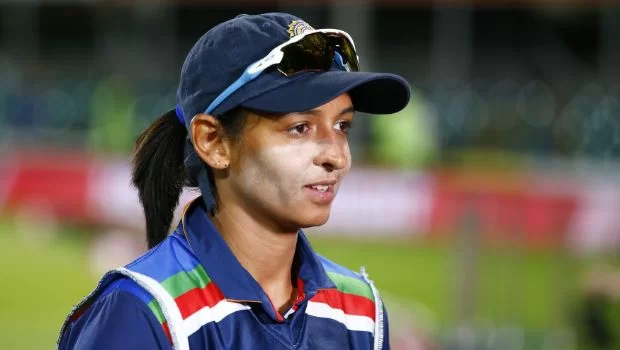
Preparing for the upcoming tournament, India's captain Harmanpreet Kaur sat down with Star Sports to share her insights. The trailblazing athlete also reflected on her career path, stressing that staying resilient and leading by example have been vital to her success.
Kaur highlighted how the cultural diversity within the team's dressing room contributes to a healthy and positive team spirit. She noted that because the players hail from many different states across India, the squad is a melting pot of unique characters and traditions, offering a cultural exchange that is rare outside of professional sports.
According to Kaur, this blend of personalities is a beautiful aspect of the game that you don't find in other professions. She expressed her gratitude for her humble teammates, stating that it's a privilege to share the field and the locker room with them.
Turning to the technical side of the game, Kaur elaborated on how the team is honing their psychological strength for the World Cup. She emphasized that while T20s are short, the pressure of 40 total overs is significant. In her view, the match is often decided in the final few overs, where the team with the strongest mental game usually comes out on top.
She explained that the squad has been focusing on maintaining stability during those high-pressure closing moments. By staying calm and composed in the final five overs, they believe they can execute their plans effectively and overcome the challenges of the tournament.
Reflecting on her personal path, Kaur described her journey as incredible, especially considering she grew up in a city where cricket was virtually nonexistent. Breaking into the professional scene was a struggle, but she credits her family's unwavering support for her success. It's rewarding for her to see how many young girls are now entering not just cricket, but sports in general, as the societal perception of athletics has shifted.
She noted a significant change in parenting, observing that sports are now viewed as a legitimate and proud career choice. Whereas it was once a rarity for parents to encourage their children to pursue athletics, there is now a widespread sense of pride when a child excels in sports, a shift that the right-handed batter finds truly encouraging.