


Share this story
Some cricket analysts questioned the Indian selectors' decision to prioritize Ravindra Jadeja over an extra fast bowler for the World Cup squad, arguing that England's seaming conditions made a pace-heavy attack more logical. However, the team management anticipated that the pitches would dry out as the tournament progressed. They also recognized the value of having a batting all-rounder who could provide depth, potentially replacing a specialist spinner when the situation called for more runs.
Although India rarely called upon him during the tournament, Jadeja made a massive impression whenever he stepped onto the field. He didn't get his first chance until the final league match against Sri Lanka. While his batting wasn't needed that day, he proved his worth with the ball, bowling a tight spell of 10-0-40-1. Combined with his trademark brilliance in the field, this performance ensured he would start in the crucial semi-final against New Zealand.
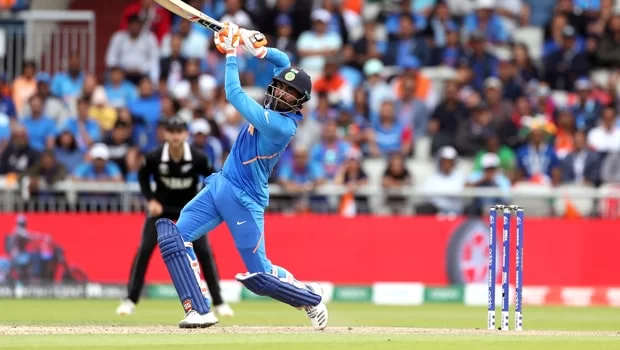
The semi-final was an absolute heartbreak for Indian supporters, as a total batting collapse led to a defeat against New Zealand. Yet, amid the chaos, Ravindra Jadeja stood out. At a moment when defeat seemed inevitable—with India reeling at 92/6 while chasing 240—the left-hander stepped up. What followed was one of the most impressive fightbacks in the history of ODIs. Jadeja hammered 77 runs off 59 balls, forging a vital 116-run partnership for the seventh wicket with MS Dhoni. He kept the dream alive for the fans until his dismissal in the 48th over. Despite Dhoni's best efforts to finish the game, India ultimately fell 18 runs short.Ravindra Jadeja. The 30-year-old gave India hope when a crushing defeat was looking likely. India were 92/6 while chasing 240 runs and that was the moment when the southpaw walked out to bat. What he did next was one of the greatest recovery acts in ODI history. Jadeja smashed 77 runs off 59 deliveries in the face of adversity and shared a 116-run partnership for the seventh wicket along with MS Dhoni. He kept giving hope to the Indian fans with every shot he played and all of it came to an end once he got dismissed in the 48th over of the innings. MS Dhoni tried his best after Jadeja departed but it was too much for him alone and, thus, India fell short of the target by 18 runs.
Jadeja's contribution wasn't limited to batting; he was equally superb with the ball. He ended up being the most economical Indian bowler, giving away only 34 runs in his 10 overs and claiming the critical wicket of Henry Nicholls. His overall impact as an all-rounder was far greater than anyone had anticipated.
A quick glance at his numbers tells the story: scoring over 2,000 runs and taking 176 wickets across 153 ODIs is a remarkable achievement. In the modern era, having reliable batting options in the lower order is essential. Since Jadeja already excels as a specialist all-rounder in Test matches, there is no reason he shouldn't fulfill that same role in ODIs, especially since he can rescue the team when the top order fails. He may have lost some ground due to the emergence of Yuzvendra Chahal and Kuldeep Yadav, but it's time India views him as a permanent fixture in the team.ODI team after the rise of spinners like Yuzvendra Chahal and Kuldeep Yadav but it’s high time that India recognized him as a deserving regular in the ODI team.
Written by: Prasenjit Dey