
The Indian Cricket team actually found a hidden advantage in bio-bubble restrictions and player injuries, as it compelled them to test their depth and identify promising young stars who stepped up and seized their moment.
The Border Gavaskar Trophy served as a launchpad for youngsters like Mohammed Siraj, Shubman Gill, Washington Sundar, T Natarajan, and Shardul Thakur, all of whom played crucial parts in winning the series. Following that, the Test series against England brought Axar Patel to the forefront as a trustworthy all-rounder.
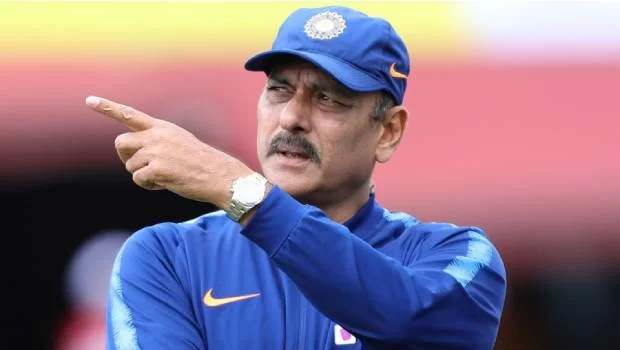
Ravi Shastri, the head coach, admitted that just six months prior, no one could have predicted that so many players would get a chance to represent the country. He believes the most beneficial outcome of the bio-bubble era was the requirement to bring along a significantly larger squad.
Shastri explained that while they usually travel with about 17 or 18 players, the pandemic protocols forced them to take 20 to 30. This provided a rare and fortunate opportunity to give almost everyone in that expanded group game time, allowing the team to properly gauge their skills and performance.
Looking ahead, Shastri expressed his satisfaction with how the youth have embraced their opportunities. He suggested that this newfound depth might allow India to assemble two distinct starting elevens for the various ICC tournaments scheduled for this year.