
Due to ongoing consultations with player representatives, club leagues, and national unions, World Rugby has stated that no new schedule will be introduced before 2024.
A joint announcement from the governing body, national teams, and players indicates that talks are moving forward positively and that a common set of core principles has been established.
These agreed-upon principles pave the way for experimenting with different competition structures for the men's 15s international matches held in July and November.
The current discussions aim to weigh various options to ensure a healthy balance between player wellbeing, growth opportunities for smaller rugby nations, and the economic viability of both club and international rugby.
Central to these plans is the need to protect players' physical health during the switch from club to country, with a specific emphasis on reducing travel stress and managing recovery and training. Further coordination between the two levels of competition is expected to follow.
The promised goal of any new format is to make the sport more competitive worldwide, helping emerging teams grow and increasing commercial earnings. However, these adjustments will be timed to avoid World Cup years, likely coinciding with the British and Irish Lions tours instead.
No new tournaments will debut before 2024; instead, the focus is on refining the July and November windows. To achieve this, three specialized groups have been formed to analyze financial impacts, competition structures, and player health.
Work is also underway to improve the four-year international calendar for women, aiming to give more teams more playing time and build a more competitive World Cup.
opportunities for teams while supporting an expanded and more competitive Rugby World Cup.
The International Rugby Players association has urged all unions and clubs to work together honestly to create a global season that satisfies everyone involved.
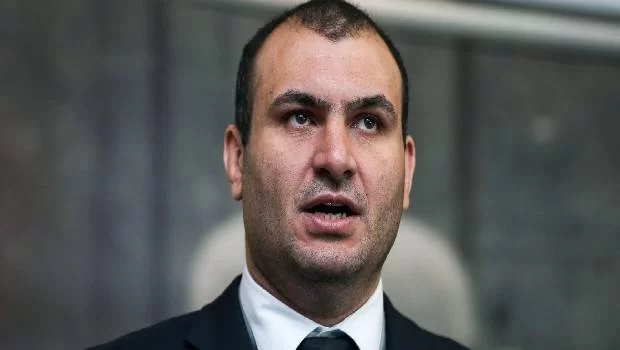
Omar Hassanein, CEO of International Rugby Players, noted that negotiations are on track and emphasized that player recovery, workload, and travel logistics remain top priorities.
Hassanein encouraged all stakeholders—from organizers to governing bodies—to put aside old grievances to find a solution that benefits the sport's overall health. He expressed confidence that a sustainable long-term deal will eventually benefit the fans, the players, and the finances of the game.