
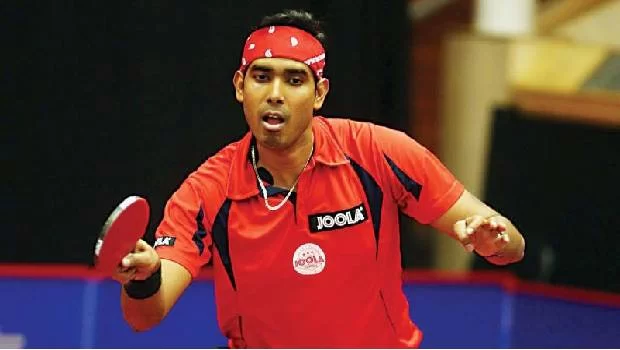
Sharath Kamal, a prominent figure in Indian table tennis, is fully concentrated on the Tokyo Olympics and isn't considering the 2024 Paris Games. He believes Tokyo could be his last chance to compete on the Olympic stage, and he intends to make the most of it. Kamal has already carved out a legendary career, becoming the first Indian to win nine Senior National titles—beating Kamlesh Mehta's record of eight—and receiving the prestigious Padma Shri award back in 2019.
Scheduled from July 23 to August 8, 2021, the Tokyo Olympics were delayed by a year because of COVID-19. Regarding his preparation, Sharath Kamal noted that rather than worrying about the specifics of his fitness or training regimen, he is fueled by the sheer drive to compete in these games, leaving the 2024 Olympics out of his current calculations.
Kamal emphasized that Tokyo is his only priority and he plans to approach the tournament as if it were his final one, committing every ounce of energy to secure a victory. However, he expressed surprise following Olympic minister Tamayo Marukawa's confirmation that the event would be held without spectators. While he has been training rigorously, the prospect of playing in a stadium devoid of cheering fans was something he hadn't anticipated.
Reflecting on the challenges of the pandemic, Sharath mentioned that the initial lockdowns imposed significant hurdles on his training. Things improved once a bio-bubble was established at the training camp, which allowed for high-intensity matches that mimicked the pressure of quarter-finals and semi-finals. Despite the productive camp, the Olympic committee's decision means athletes must now adapt to practicing and competing in a silent venue.
Sharath feels confident in his ability to adapt to Japan's strict COVID-19 protocols upon arrival. Although he has faced considerable stress, his mindset is now entirely locked in on the competition, trusting his experience in handling difficult conditions to his advantage. He also noted that the mixed doubles event offers a more viable path to a medal, as the competition starts at the round of 16, meaning a medal is only three rounds away. In contrast, he believes the singles event is much more grueling, requiring a win through six or seven rounds.