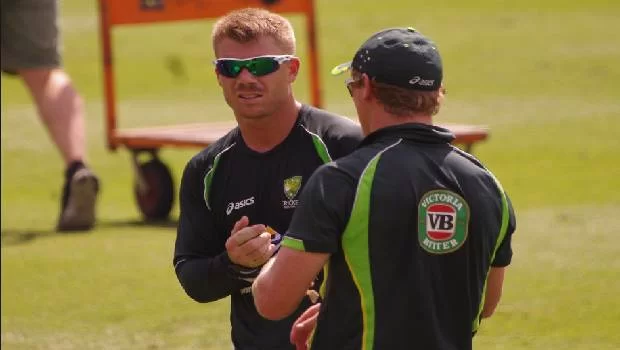
Australia's streak of ten consecutive victories was snapped, which could potentially be the catalyst they need to address their weaknesses. By executing a clear and focused game plan, India demonstrated exactly how to beat Australia, putting the pressure back on the Australian camp to find a way to respond.
It is the 25th over of Australia’s chase, David Warner has just holed out to deep midwicket for 56 off 84 balls. Australia need a further 219 runs at 8.79 runs an over. On the other end is Steve Smith, well-set on 31. He has been given the role to anchor the innings. As Warner exits the arena, all eyes roll across to the Australian dressing window. Everyone expects Glenn Maxwell.
Over the following seven overs, Australia managed to put 32 runs on the board. The start was sluggish for Khawaja, who needed 20 deliveries before hitting his first four; by that point, the required run rate had already climbed above 10. Surprisingly, Maxwell stayed in the dressing room while the pressure grew with every single delivery. Eventually, Khawaja started finding the gaps with some sweeps, and Smith began to pick up the pace.
Despite the efforts, the necessary explosion in scoring never materialized. Khawaja eventually fell while attempting a risky paddle shot, finishing with 42 runs off 37 balls. Together with Smith, he managed a 69-run partnership over 72 balls, but this stand only exposed the gaps in Australia's strategy and their questionable tactical decisions. While it's easy to point the finger at Khawaja, he wasn't picked to be the primary aggressor. Looking back, the obvious choice to change the momentum was Maxwell.