
In a move to leverage virtual platforms for athlete-coach communication, the Times of India organized a talk with Margaret Whitehead and Nigel Green, moderated by world-class badminton coach Pullela Gopichand. Whitehead is a distinguished figure in public health, holding the W.H. Duncan chair at the University of Liverpool and playing a pivotal role in founding the International Physical Literacy Association (IPLA) in 2014. Along with Nigel Green, a specialist in physical education from Liverpool John Moores University, the group explored the nuances of physical literacy and its impact on overall wellbeing.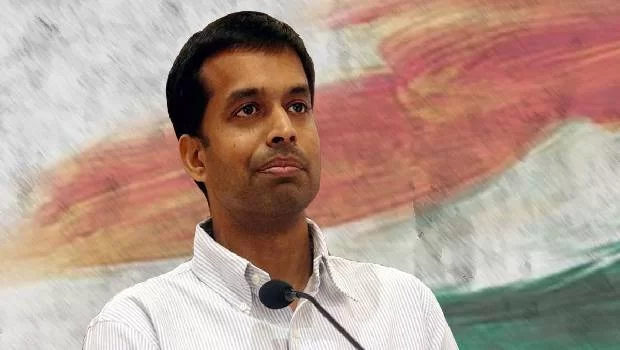
With virtual conversation, being adopted by various sports authorities between the players and coaches, recently Times of India had asked to join the discussion with the Margaret Whitehead, and Nigel Green hosted by the international Badminton coach Pullela Gopichand. Margaret Whitehead holds, the W.H. Duncan chair in Public Health at the University of Liverpool, also Whitehead has been a primary influencer in creating a set-up known as International Physical Literacy Association (IPLA) in 2014. Whitehead’s contribution towards physical health is notable, and the discussion involved several other vital personalities, like Nigel Green, who is a senior lecturer in physical education at Liverpool John Moores University, and the conversation tagged is about physical literacy.
The session drew a wide audience of Indian athletes eager to learn from the panelists. As the moderator, Gopichand steered the conversation toward the necessity of physical literacy, strategies for implementing it in India, and the hurdles involved. He pointed out that fitness and health should be prioritized over the mere pursuit of trophies. Whitehead expanded on this, explaining that physical literacy is an ongoing process—much like a journey—that requires a consistent routine and the right mindset. When Gopichand asked for practical activities to engage youth daily, Whitehead recommended integrating dance, yoga, and various sports. She noted that this broad foundation would naturally lead to more participation in Olympic sports, adding that motivation is most effective when it is tied to a clear purpose.
The conversation also touched upon the precarious position of physical trainers when sports organizations face budget cuts. Whitehead argued that physical educators are essential to an athlete's success and urged governments to provide them with proper support rather than treating them as an afterthought. Addressing a question from TOI about the challenges facing a diverse nation like India beyond just a lack of space, Whitehead identified a widespread lack of belief in the necessity of consistent fitness. For children and young adults spending too much time in air-conditioned rooms, she suggested that parents must intervene to break the habit of sedentary behavior. Closing the session, Gopichand thanked Green and Whitehead, both of whom agreed that prioritizing physical activity is more urgent now than ever before.