
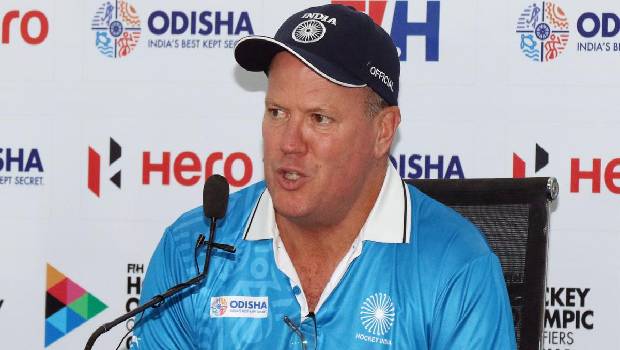
The Indian hockey coach remains optimistic but acknowledges the uphill battle the team faces after two months of lockdown, especially when it comes to getting back into the swing of things. Graham Reid explained that the players' training has been limited and passive, so he'll need to put in significant effort to revitalize the squad once they reunite. To ensure the team stays on track for the upcoming Olympics and international competitions, Reid has organized specific activities during their quarantine. He noted that since quarantine is a universal experience right now, managing the players' motivation has been more intuitive, as everyone is facing the same hardships.
Using digital tools, the Indian men's hockey team and their coaches have conducted performance reviews, analyzing the past few months to identify weaknesses and set clear, achievable targets for the future. Reid also emphasized the importance of non-formal team-building sessions that encourage players to reflect on why they belong in the squad. By asking the athletes to share their origin stories—like why they started playing hockey or who their biggest influences were—Reid aims to gain a deeper understanding of their individual motivations. On a personal note, Reid mentioned that spending quality time with his wife, video-calling his children, watching Netflix, and listening to music have helped him cope with the isolation.
Regarding the reopening of stadiums and sports complexes, the coach pointed out that hockey involves very specific movement patterns that are nearly impossible to mimic outside of a professional pitch. Consequently, the players are currently prioritizing skill-based drills, similar to the Pre-Christmas camp held in Bhubaneswar back in 2019. Reid mentioned that in addition to the guidelines provided by the Sports Authority of India, Hockey India submitted its own set of standard operating procedures on April 11, 2020. This was followed by a promising discussion between the players, coaches, and officials later that week. He concluded by noting that while travel for national athletes is often grueling, he believes players should be allowed to visit their families if the training protocols are extended, provided it remains safe to do so.