
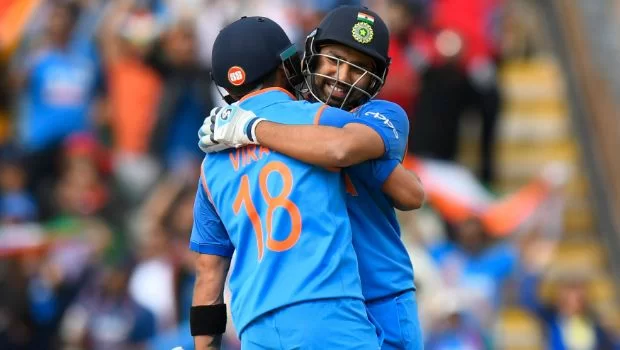
India may have to manage without their captain, Rohit Sharma, for one of the first two Test matches in Australia. Rohit has alerted the BCCI to some personal matters that might conflict with the schedule. The squad is heading into a grueling five-game series starting November 22 in Perth, and it is anticipated that Rohit could miss either that first game or the second one in Adelaide, scheduled for December 6–10.
Nothing is set in stone yet. A source within the BCCI mentioned that Rohit has flagged a pressing personal issue that might keep him out of one of the opening Tests. There is still hope, though—if he can resolve the matter before the series begins, he will be available for all five matches. We should have a definitive answer in the next few days.
Following his leadership in the home Tests against Bangladesh, Rohit's team is now preparing to face New Zealand in a three-match series starting October 16. Should the veteran opener miss time in Australia, Abhimanyu Easwaran is the frontrunner to fill his shoes given his current form. Nevertheless, players like KL Rahul and Shubman Gill are also viable options for the opening slot.
Easwaran is already slated to be in Australia to captain the India A side. Because no official deputy was named for the recent series against Bangladesh, the vice-captaincy for the Test team remains open. The top candidates for the role include Shubman Gill (Rohit's white-ball deputy), Jasprit Bumrah—who has already led the team in a Test against England—and the dynamic Rishabh Pant.
Abhishek Nayar pointed out to the press that the current squad is rich with leadership experience, noting that many players, such as Rishabh Pant and Shubman Gill, and potentially Yashasvi Jaiswal in the future, have already captained their respective IPL franchises.
When questioned about the need for a formal red-ball vice-captain, India's batting coach argued that he no longer views these players as mere 'youngsters.' While they may be young in years and experience, he believes their mental maturity and development as cricketers have given them the necessary leadership traits. He suggested that a designated title isn't strictly necessary because these players possess the mindset and composure of seasoned veterans.