
Marking his 100th day as head coach of the Indian cricket team, Rahul Dravid has already weathered a storm of challenges. His tenure has seen everything from internal captaincy drama and a defeat in South Africa to a successful white-ball series against the Windies at home. Currently, the former captain is dedicated to molding a talented squad for the upcoming T20 World Cup in Australia, noting that versatility will be the cornerstone of their victory.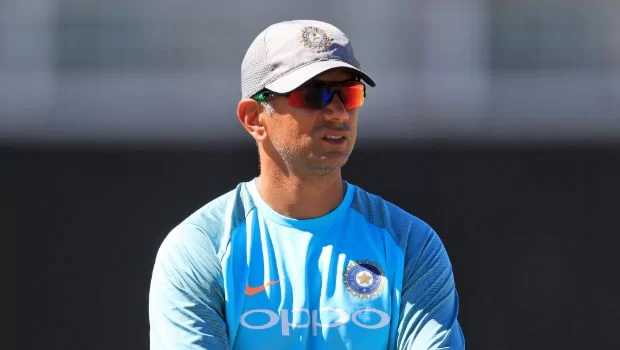
Rahul Dravid has completed 100 days as head coach of the Indian cricket team. Captaincy controversies, Test series defeat in South Africa, and winning the white-ball home series against the Windies, it has been a roller-coaster ride for Dravid. The former captain is keen on preparing a talented pool that performs well in the T20 World Cup in Australia later this year. Dravid admitted that flexibility will hold the key to winning the T20 World Cup.
According to the coach, success in T20s requires a high degree of flexibility—a mindset he has actively encouraged within the team. Dravid wants his players to be spontaneous and unpredictable on the field. He highlighted the need for strategic right-left batting combinations and noted that the squad has been very receptive to these positional changes.
Dravid has made it clear that batting positions will be fluid and based on the needs of the game rather than a fixed template. He is particularly focused on refining the middle-order performance. The goal is to maintain enough flexibility when batting first so that a specific batter can be deployed to target and dismantle a particular bowler.
Venkatesh Iyer is a standout example of a player who has successfully transitioned into Dravid's flexible system. While typically an opener, Iyer stepped up to bat at number six and produced impressive results. Even a senior player like Rohit Sharma showed this adaptability by batting lower in the order during the third T20I to accommodate Ruturaj Gaikwad as an opener. Dravid's strategy is to give key players more consistent match experience; he believes it's crucial for the youngsters to have at least 10 to 15 games under their belt before entering the World Cup.
Dravid is more inclined to give more game time for few players. Dravid concluded that the team wants to have youngsters who have played 10 to 15 games before going into the World Cup.