
The presidents of the Ivy League reached a decision this Wednesday to freeze all sports activities until January 2021. As a result, they become the first Division I conference to officially cancel its fall football season in response to the global coronavirus pandemic. The member institutions of the Ivy League are among the most influential in the country, and their athletic programs play a pivotal role in US university sports.
This move creates a challenging ripple effect for football and other sports nationwide. There are plans to slowly reintroduce practices this fall, though they will be limited to solo workouts and very small groups. League presidents emphasized that the current environment—marked by social distancing requirements and travel restrictions for staff and students—is not conducive to athletic competition. They stated that current health data makes it impossible to host intercollegiate events that align with their safety protocols and risk management guidelines.
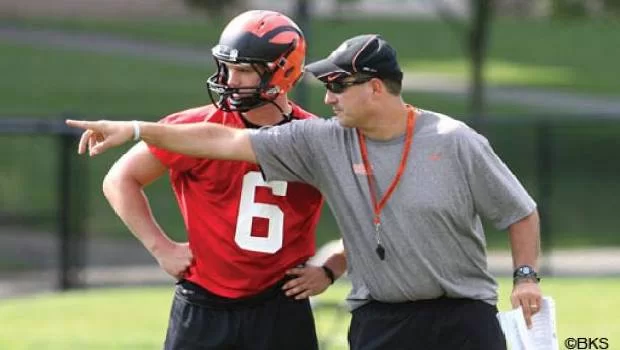
When asked about the possibility of a spring comeback, Princeton football coach Bob Surace expressed hope for a positive outcome. He noted that a viable cure for the virus must be found and that strict adherence to national health guidelines is essential before the league can realistically consider restarting in the spring.
The decision made by these eight presidents could set a precedent for other leading universities across the country as they try to determine a safe return date for sports. Since the Ivy League had already hinted last week that a decision was coming, football coaches were largely expecting this announcement. This trend of caution is mirrored elsewhere; for instance, North Carolina and Ohio State recently halted workouts following COVID-19 outbreaks among their athletes.
The Ivy League was actually the first to take a stand on March 10 by canceling its basketball tournament, a move that drew significant criticism at the time. However, they were soon followed by major professional leagues like the NBA, MLB, and NHL, all of whom canceled their spring training. Since then, the situation has evolved, and as case numbers begin to stabilize, the country is gradually moving back toward a sense of normalcy.